
How Often Does a Grease Trap Need Pumping?
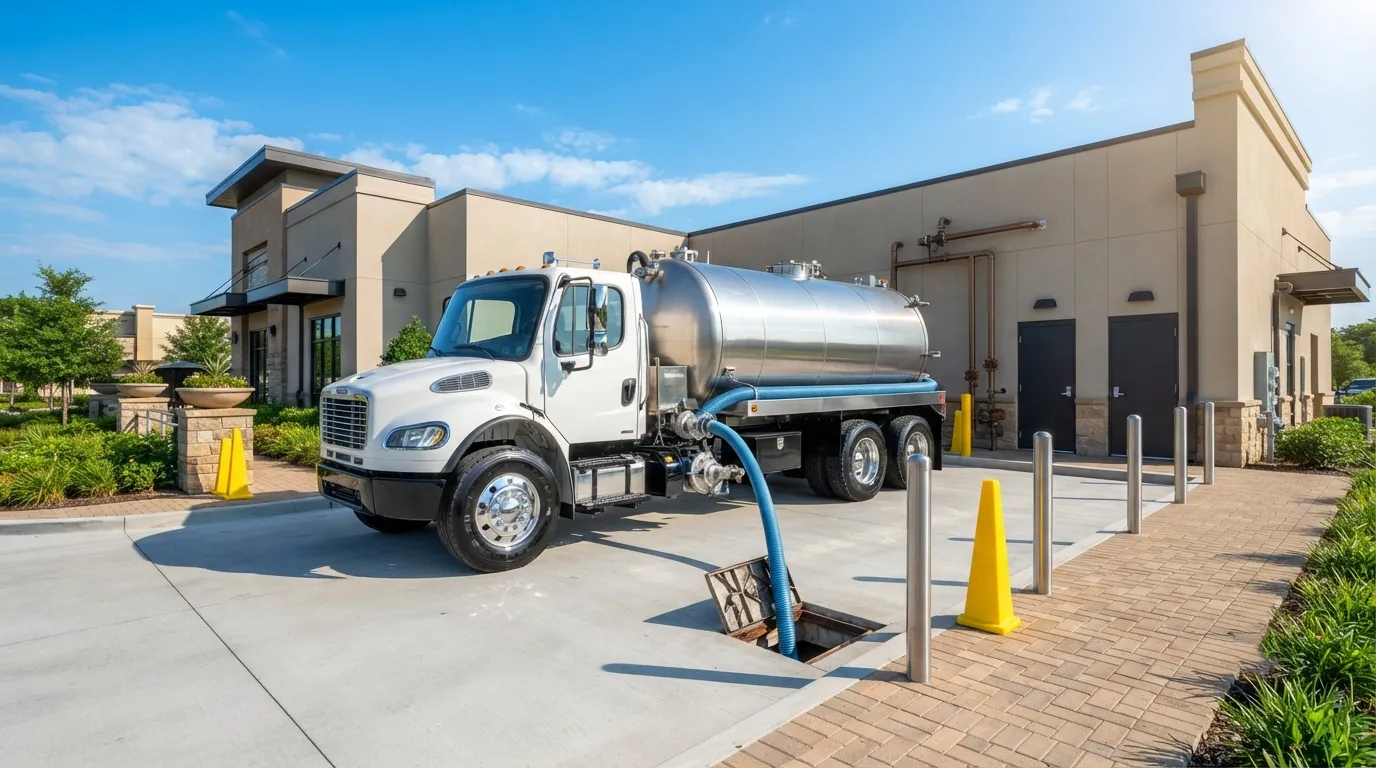
Every kitchen is different, and pumping frequency depends on volume, not the calendar. A busy fryer-heavy kitchen fills fast; a small cafe might stretch it longer. Raleigh Porta Pros checks the 25 percent depth mark on every visit, because that is the line where grease trap pumping stops being optional. Skip it and grease backs into your drain lines, which costs more than the pump-out ever would. If you are not sure where your trap stands, septic pumping service covers inspection alongside pumping, and we can set a recurring route so nobody has to remember to call. Commercial grease trap pumping works best as a standing schedule tied to your actual kitchen output, checked and adjusted instead of guessed at. Restaurants near downtown Raleigh and kitchens out toward Knightdale, 10.7 miles east, run on the same principle: pump before the trap decides for you.
What Does Grease Trap Pumping Cost in Raleigh?
Cost depends on trap size, grease load and how far out you are. Below is what a standard septic-style pump-out runs, since grease trap jobs price similarly by visit.
| service | duration | low | typical | high |
|---|---|---|---|---|
| septic pump-out | day visit | $150 | $250 | $300 |
| septic pump-out | weekend | $50 | $100 | $150 |
A weekend call for an overdue trap runs close to the low end of that weekend band, but expect it to land higher if the trap has already backed up. If your kitchen shares plumbing with a septic system, septic tank pumping cost and how often to pump a septic tank both help you plan the whole system, not just the trap. For sites running tighter budgets, septic tank cleaning is worth comparing against a straight pump-out.
Do I Need Emergency Grease Trap Pumping?
Yes, if grease is backing into sinks or floor drains, that is an emergency, not a maintenance call. Emergency grease trap pumping gets dispatched same-day when a kitchen cannot operate. Raleigh Porta Pros treats this the way we treat emergency septic service: fast response, no waiting for the next scheduled route. A trap that overflows in Raleigh proper needs the same urgency as one 15.6 miles south in Garner or 16.1 miles west toward Morrisville; grease does not wait for a convenient day. If your kitchen also handles hand-labor food prep staff on site, note that general sanitation for workers falls under OSHA 1926.51(c), while a grease trap itself is a plumbing and health code matter, not an OSHA sanitation item. Keep both straight so your kitchen passes every inspection it faces.
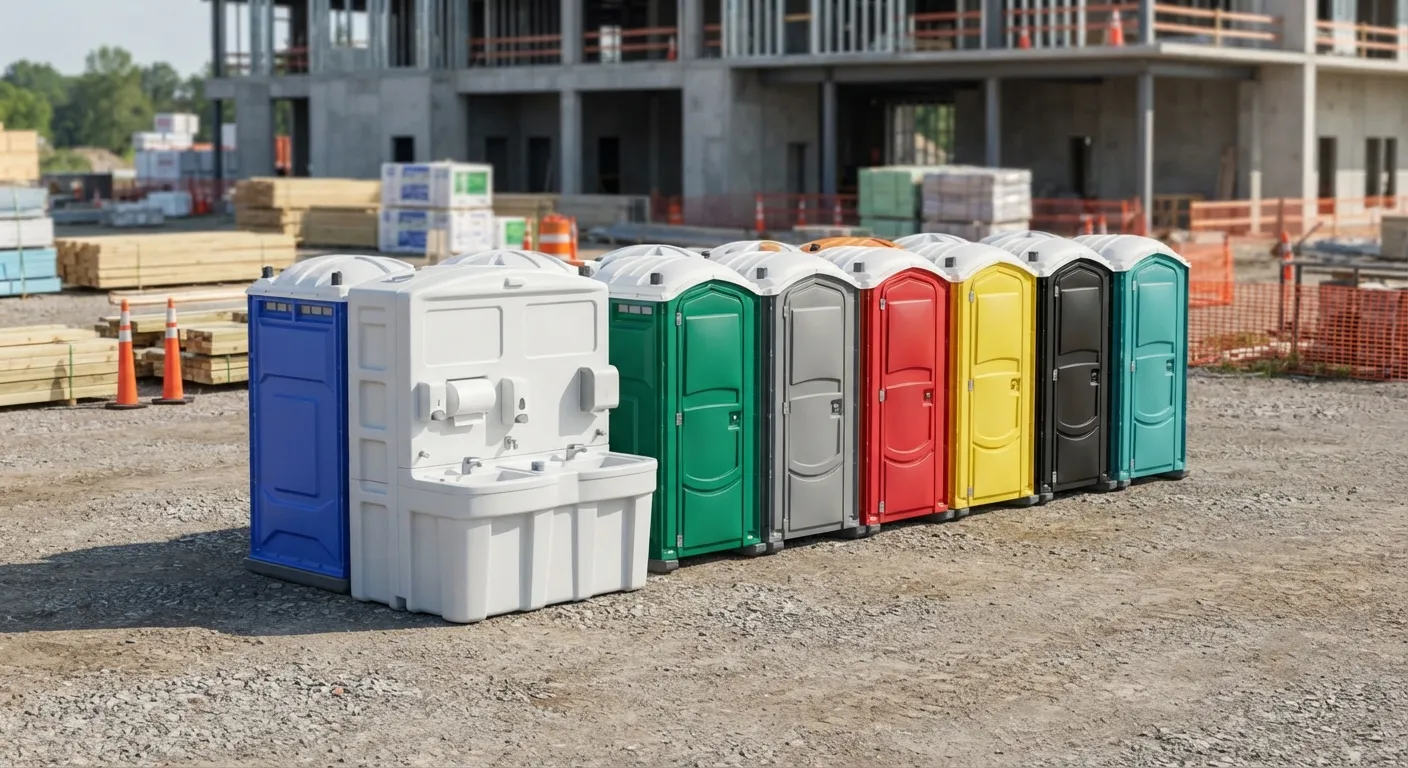
Kitchens that also run temporary events, food trucks or seasonal stands should look at what else needs to be on site. A portable restroom rental or handwashing station rental rounds out a temporary kitchen setup, and hand sanitizer stations do not meet the standard for actual handwashing under 29 CFR 1910.141(d)(2), which calls for soap and towels or a hand-drying device. If you are building out a commercial kitchen and need a dumpster on site during construction, construction dumpster rental and roll-off dumpster rental cover the debris side while your plumbing gets finished.
How much does grease trap pumping cost?
Pricing depends on trap size and grease load, similar to a standard septic pump-out priced between $150 and $300 for a day visit. Weekend and emergency calls run higher. Get an exact number through request a quote after describing your trap size and last pump-out date.
How do I know if my grease trap is full?
The trap needs pumping once fats, oils, grease and solids reach 25 percent of the liquid depth. Slow drains, odor near floor drains and grease surfacing in the trap are warning signs worth checking sooner rather than later.
Can grease trap pumping happen same-day?
Yes, for active backups. Raleigh Porta Pros dispatches emergency grease trap pumping the same day a kitchen calls in with a backup, similar to how we handle emergency porta potty rental for job sites.
Do food trucks need grease trap pumping too?
Any unit handling fryer oil or heavy grease output needs a pump-out schedule, food truck or fixed kitchen. Check farm and agricultural restrooms or festival restroom rental if your truck also needs restroom support at events.
What is the difference between a septic tank and a grease trap?
A grease trap catches fats and oils before they reach the sewer line; a septic tank handles wastewater for an entire property. Residential septic tanks are typically pumped every 3 to 5 years, while grease traps need far more frequent attention based on kitchen volume.
Next step
Get a delivery date
Tell us the address, the dates and the headcount. We size the order and confirm the route.