
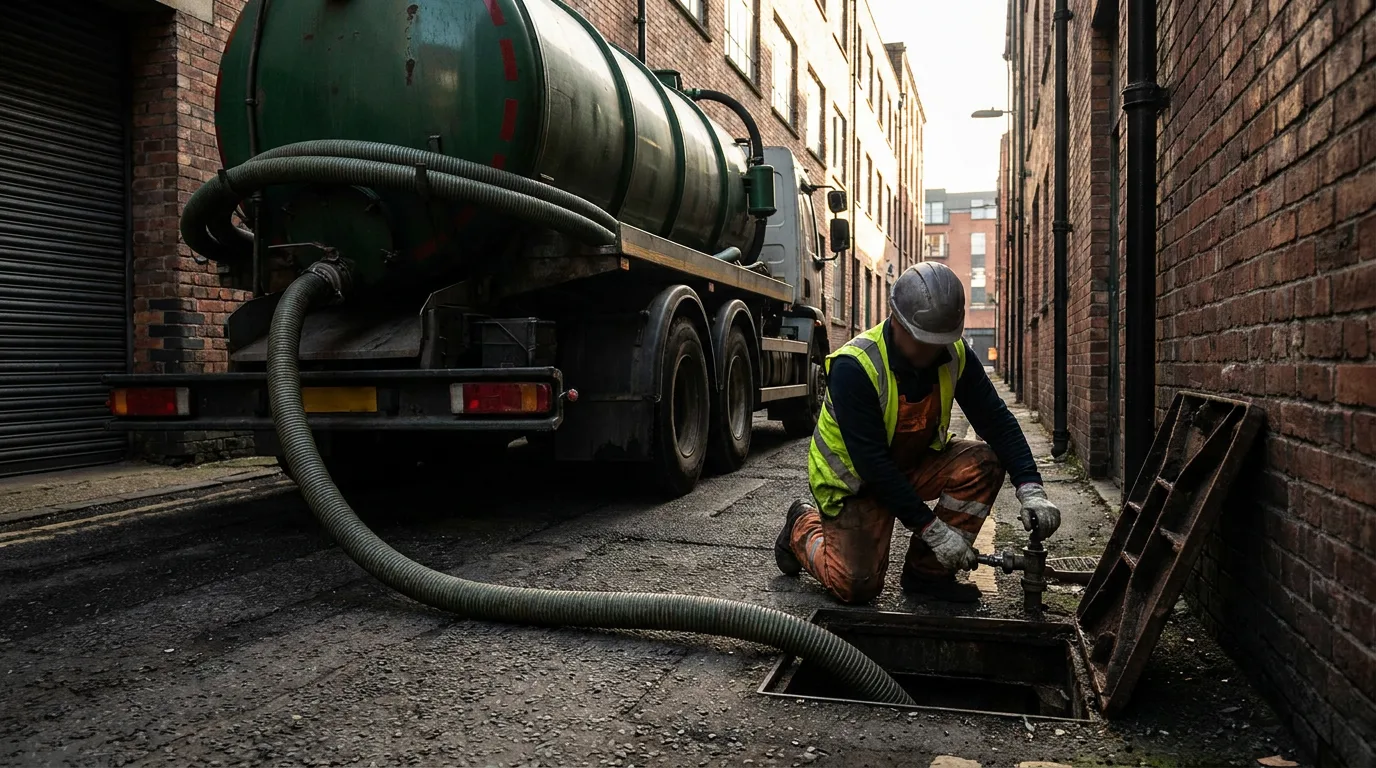
How Often Does A Septic Tank Need Cleaning?
The 3 to 5 year window is the baseline for a standard residential tank, and it holds up across most homes we service. Bigger households push that number down. A family of six with a smaller tank fills solids faster than a retired couple with a large one. Garbage disposals matter too. They add more solids to the tank than a household without one, which shortens the interval. If you are unsure where your tank falls, our septic pumping service page walks through what a technician checks on a visit. Homes in Knightdale and out toward Garner, both within about 16 miles of Raleigh, run into the same variables: tank age, tank size, water usage. There is no single number that fits every house, but 3 to 5 years is where most Raleigh homeowners land, and it is the number worth planning your budget and your calendar around.
What Happens If You Wait Too Long?
Waiting past the interval means solids build up until they escape into the drain field, and a drain field failure is a much bigger repair than a pumping visit. Backups into the house, slow drains, and soggy patches over the tank are the visible warning signs, and we cover the full list on our septic tank warning signs page. If you are already seeing those signs, do not wait for the next scheduled pumping. Call for emergency septic service instead. For homeowners who want a plain answer on what a pumping visit runs, our septic tank pumping cost page breaks that down, and our septic tank cleaning page explains what the crew actually does once they are on site in Raleigh.
Pricing for septic work runs on a simple structure. Most day-rate pumping jobs fall in a defined band, and weekend emergency calls cost more than a scheduled weekday visit.
| Service | Typical Range |
|---|---|
| Septic pumping, day rate | $150 to $300 |
| Septic pumping, weekend | $50 to $150 |
These are typical bands, not quotes for your address. Tank access, tank size, and how far the truck has to travel all move the number. If your property sits farther out, say near Wake Forest at 15.0 miles northeast or Rolesville at 14.5 miles, travel adds a little to the visit.
Do Commercial Properties Follow The Same Schedule?
No. Restaurants and other food service properties run grease interceptors, not standard septic tanks, and those follow a different rule entirely. A grease interceptor gets pumped once fats, oils, grease and solids reach 25 percent of the liquid depth, which can happen faster than a 3 to 5 year residential cycle if the kitchen runs hot and heavy. If you manage a commercial kitchen in Raleigh, check our grease trap pumping page for specifics on that schedule. Job sites and event grounds have their own sanitation math too, driven by worker or attendee counts rather than tank chemistry. Construction crews sizing toilets for a site should look at OSHA Portable Toilet Requirements, which references OSHA 1926.51(c) for toilet ratios by crew size. Farms with hand-labor crews fall under a separate standard, OSHA 1928.110, which sets one facility per 20 workers within a quarter mile walk, covered on our farm and agricultural restrooms page.
What If You Do Not Have A Septic System Yet?
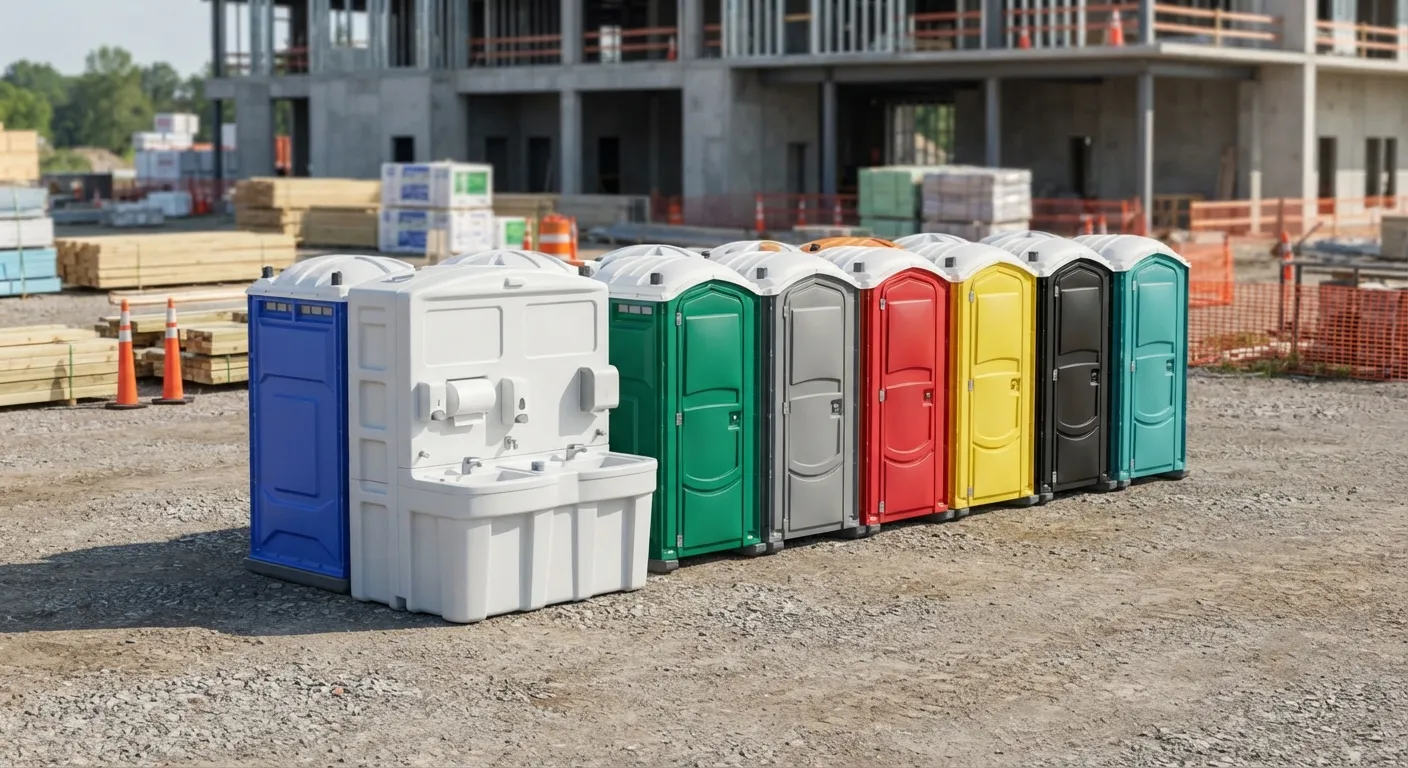
Some properties, especially new construction or rural sites without a hookup, use a holding tank instead of a septic system, and that is a different maintenance conversation entirely. A holding tank has no drain field. It collects everything until it is pumped, so the schedule depends on tank size and usage, not soil absorption. Our holding tank rental page covers sizing for that setup. If you are building out a construction site in Raleigh and need sanitation planned around a crew, our construction site services page is the place to start, and how many porta potties do i need helps with headcount math before you call anyone.
Homeowners doing a renovation project sometimes need a portable toilet on site temporarily while septic work is underway. Our home renovation porta potty page covers that use case, and portable restroom rental has the full lineup if you need something beyond a single unit. For a broader look at what a rental costs across durations, see porta potty rental cost or the day-rate specific breakdown at porta potty rental per day.
How do I know my tank size?
Check your last pumping receipt or county septic permit records, since tank size is usually recorded there. If you cannot find either, a technician can estimate it during a service call. Tank size is the biggest factor in how often you need pumping, more than household size alone.
Can I extend the interval with additives?
No additive changes the physical fact that solids accumulate at the tank bottom. Some products claim to break down waste faster, but there is no verified standard backing those claims. Stick to the 3 to 5 year window and adjust based on household size and usage.
Does a garbage disposal change the schedule?
Yes. A garbage disposal sends more solid material into the tank than a household without one, which fills the tank faster. Homes with heavy disposal use often need pumping closer to the 3 year mark rather than the 5 year mark.
What is the difference between septic and holding tanks?
A septic tank works with a drain field that treats and disperses liquid. A holding tank has no drain field. It stores everything until pumped, which means a shorter, usage-based schedule instead of a multi-year one.
Is a full drain field repairable?
Sometimes, but it is far more expensive than routine pumping. A failed drain field often means replacement, not repair. Staying on schedule with pumping is the cheapest way to avoid that outcome entirely.

Next step
Get a delivery date
Tell us the address, the dates and the headcount. We size the order and confirm the route.