How do porta potties work on a construction site?
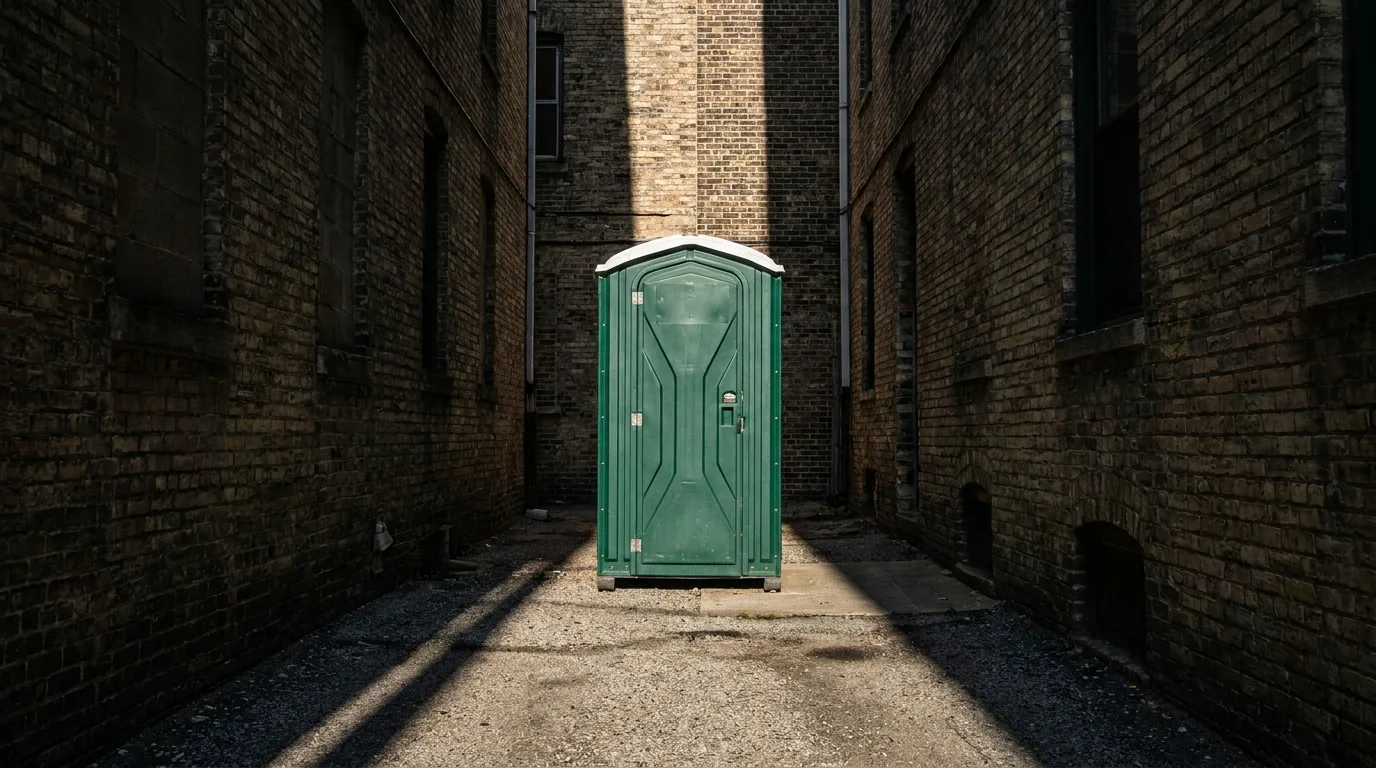
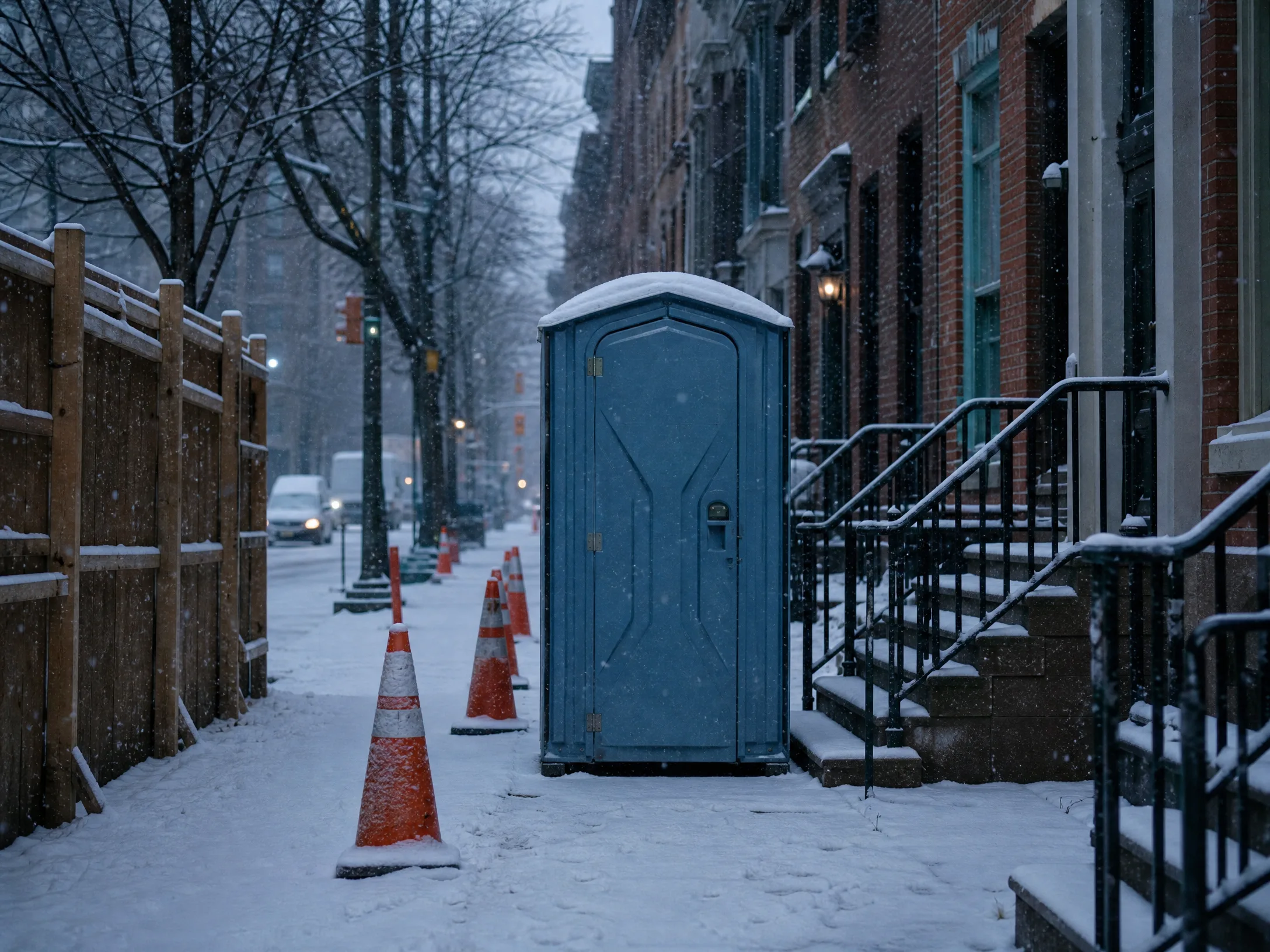
A standard unit sits on flat ground, about 44 by 48 inches at the base, roughly 92 inches tall. No plumbing, no power cord. A worker walks in, does their business, and the waste drops into the tank underneath, where the chemical solution keeps it from turning solid or smelling. A vent stack pulls odor up and out instead of trapping it inside. That's the whole loop, and it's why these units work equally well on a jobsite near downtown Raleigh or out past Knightdale, 10.7 miles east.
On active job sites, unit count follows OSHA 1926.51(c): one toilet for 20 workers or fewer, then one toilet and one urinal per 40 workers once you pass that threshold, scaling again at 200 workers. Foremen figure this out with our how many porta potties do I need guide before they call. A construction worker running to a porta potty between pours doesn't want to wait in line, and correct sizing under 1926.51(c) is what prevents that. Most contractors set up construction site services with a mix of standard units and at least one ADA accessible unit, since ADA Standards 213.2 requires at least one accessible unit in any cluster, 5 percent minimum once you scale up.
How do flushable porta potties work?
A flushable, or deluxe, unit uses a small onboard freshwater tank and a foot pump or a handle to push a rinse of water through the bowl after each use, same idea as a low-flow home toilet but self-contained. The waste still drops into a holding tank below, just like a standard unit, so it still needs pumping on schedule. The difference is comfort: less visible waste, less odor between services. That's why deluxe flushable units show up at weddings and corporate events more than on framing crews. Some come with a small sink built into the wall, which leads into the next question.
How does a portable sink work?
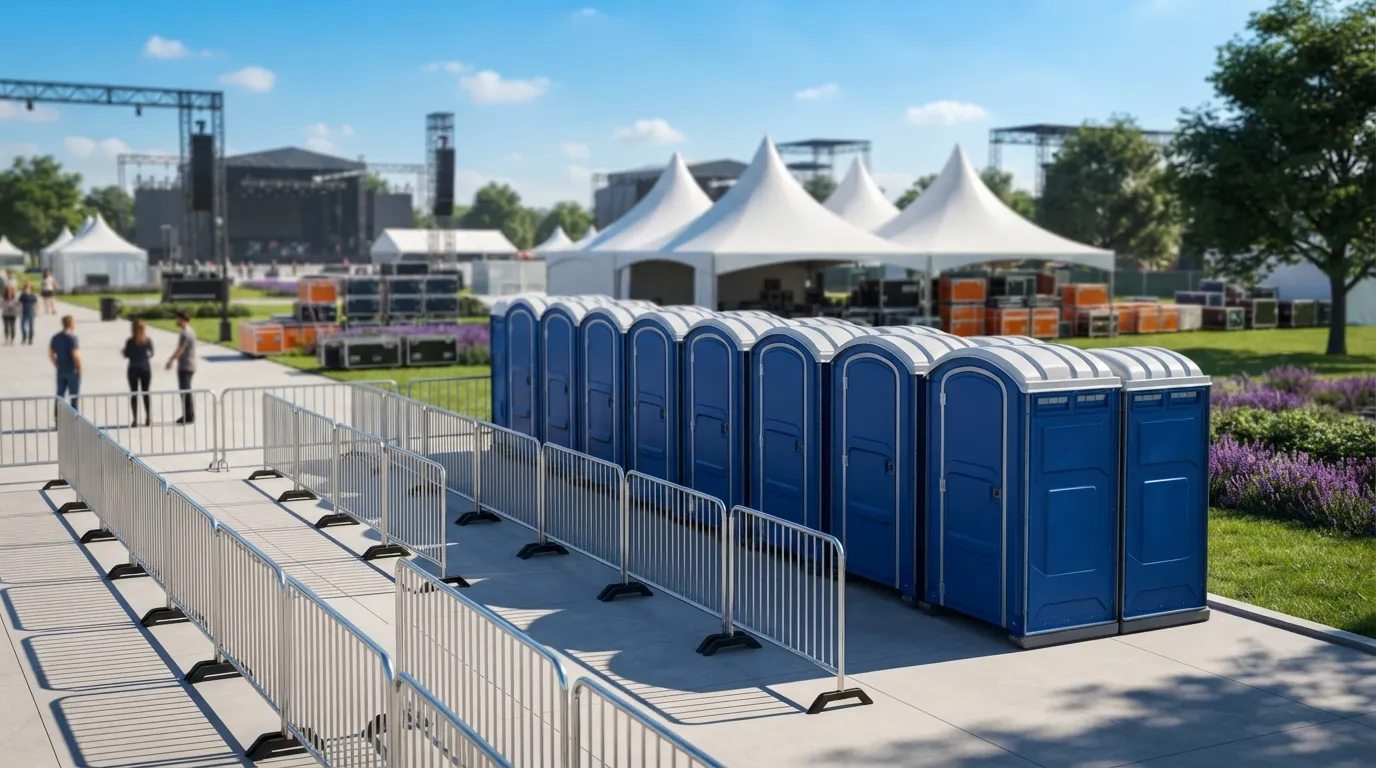
A portable handwashing station holds fresh water in an upper tank, gravity-feeds it through a spigot when you push the lever, and catches the wastewater in a lower tank underneath. No hose bib required. Soap gets mounted on the side, and under 29 CFR 1910.141(d)(2), a handwashing setup needs actual soap and towels or a hand dryer, not just sanitizer. That rule matters most in food service and healthcare settings, and it's separate from OSHA 1926.51(f)(1), which specifically covers washing after work with paints, coatings, herbicides or insecticides where contaminants are present. Crews doing that kind of work need a handwashing station or portable sink rental on site, not a bottle of gel. For general potable water access, OSHA 1926.51(a)(1) just requires an adequate supply be available at all.
How do camping porta potties work?
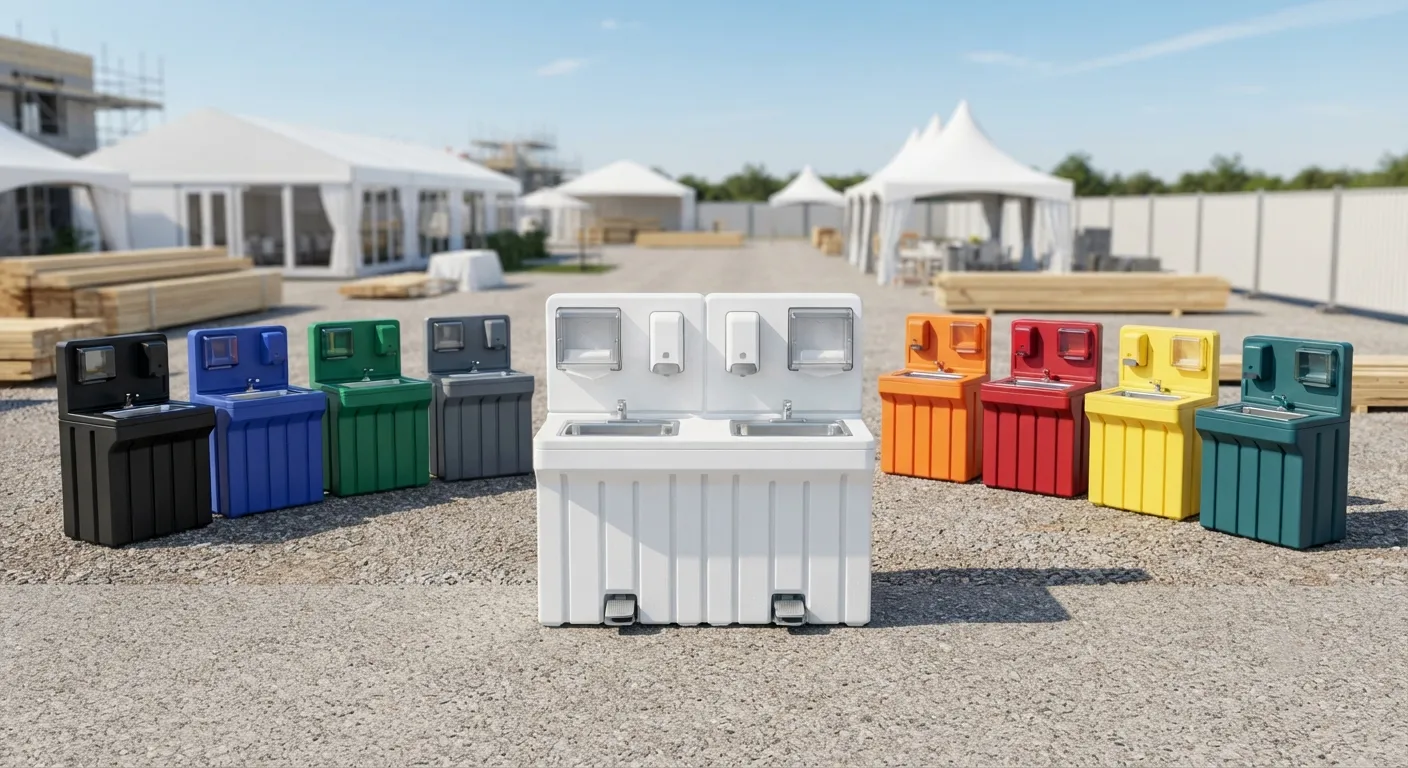
Camping units run the same way as jobsite units, just smaller and lighter, meant for a weekend rather than a season. They still use a holding tank and a deodorizing chemical, they just get emptied less often because fewer people use them. For a family reunion or a farm event outside the city, farm and agricultural restrooms and camping porta potty setups both draw from the same rental fleet as construction units, just placed for foot traffic instead of trade crews. Placement matters everywhere: firm, level ground, away from slopes, with enough clearance for our truck to service it. Our porta potty placement guide covers the details, and if you're near Wake Forest, 15.0 miles northeast of Raleigh, or Garner, 15.6 miles south, the same placement rules apply.
Septic tank cleaning chemicals matter here too. The blue liquid in a porta potty tank isn't the same as what breaks down solids in a home septic tank, but both rely on bacteria-safe formulas that won't damage a treatment system downstream. A home septic tank typically needs pumping every 3 to 5 years depending on tank size and household size, which is a different service entirely from portable toilet chemicals near me searches, but the two often get confused. If your home system needs attention, septic pumping service and septic tank cleaning are separate from anything we deliver to a jobsite.
Service intervals for portable units follow the ANSI/PSAI Z4.3 standard, which sets a baseline of one visit per week for up to 10 users over a 40 hour week. Busier sites need more frequent stops, which is something we work out at booking through request a quote.
How often does a porta potty get pumped?
It depends on use. The ANSI/PSAI Z4.3 baseline is one service per week for up to 10 users over a 40 hour week. Busy construction crews or event weekends often need two visits. We set the schedule when you book, based on headcount and duration.
Do porta potties smell bad?
Not when serviced on schedule. The deodorizing chemical in the tank neutralizes most odor between pumps, and the vent stack pulls remaining gas up and away from the seat. Smell usually means the unit's overdue for service or placed in direct sun too long.
Can I flush toilet paper in a porta potty?
Yes, standard single-ply toilet paper breaks down fine in the tank chemical. Skip wipes, paper towels or anything thick. Those clog the tank and make pumping harder. We stock the units with paper that's built to dissolve on schedule.
Is a portable sink required next to a porta potty?
It depends on the work. If crews are applying paints, coatings, herbicides or insecticides, OSHA 1926.51(f)(1) requires washing facilities. Otherwise it's a good practice call, not always a strict mandate. Most job sites in Raleigh pair one anyway.
What's the difference between standard and deluxe units?
A standard unit has no flush and no sink, just a tank and a seat. A deluxe unit adds a flush mechanism and sometimes a small sink, both still draining into an onboard holding tank. Pricing and use case differ, covered on our porta potty rental cost page.
Next step
Get a delivery date
Tell us the address, the dates and the headcount. We size the order and confirm the route.