Do you need a permit for a porta potty in Raleigh?
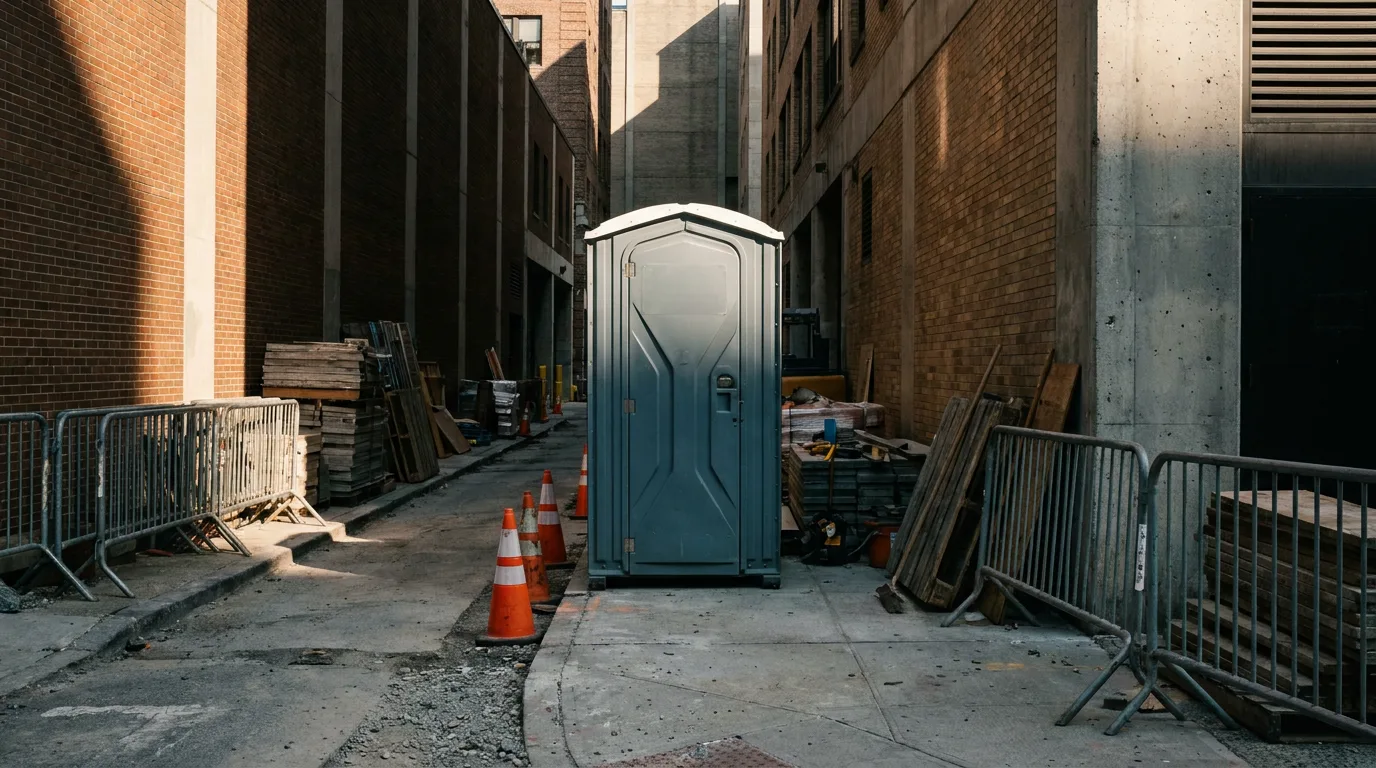
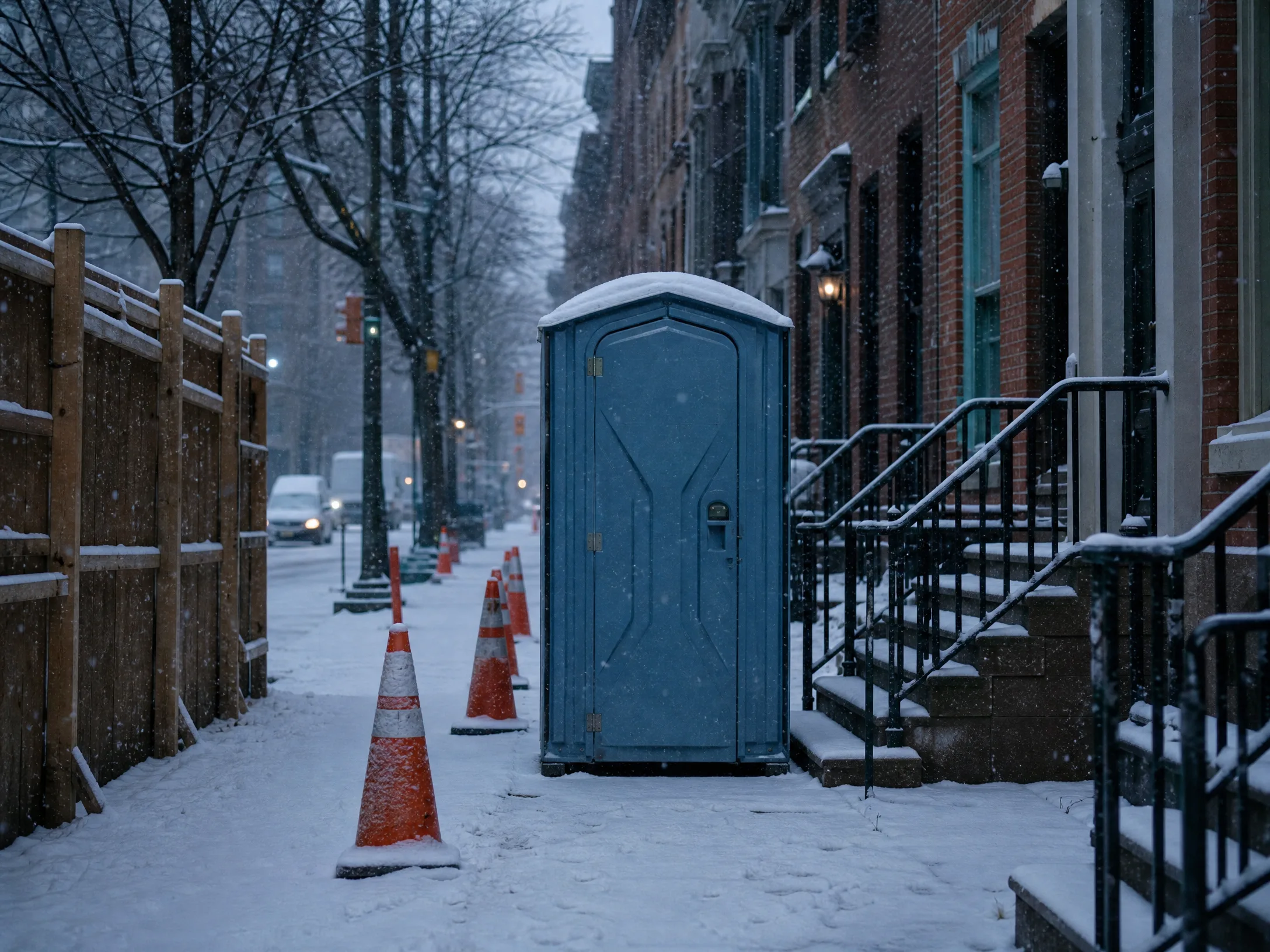
Most residential jobs don't need a permit at all. If porta potty rental in Raleigh, NC sits entirely on your own driveway, yard, or a construction lot you control, placement is generally between you and Raleigh Porta Pros. The question changes fast once a unit has to sit on a public street, sidewalk, or curb strip, because that's public right of way and Raleigh's rules for that space are not something we've verified line by line. We tell every customer the same thing: confirm right-of-way placement with the city before the truck rolls. This matters more on tight urban lots near downtown Raleigh than on a wide-open lot out past Knightdale, 10.7 miles east, where there's usually room to keep everything off the street entirely. If you're planning a home renovation project or a full construction site setup, ask us to walk the site with you first. We also handle temporary fence rental and crowd control barrier placement, and those follow the same right-of-way logic as the toilet itself.
What about permits for dumpsters and temporary power?
Dumpster permit rules follow the same private-lot-versus-street divide as porta potties. A roll-off dumpster rental parked on your own lot typically doesn't trigger a permit conversation. A dumpster on the street is a different matter, and asking "do you need a permit for a dumpster" or a "permit for dumpster on street" is really asking about the same public right-of-way question. We don't guess at Raleigh's specific ordinance numbers or fees for street placement, because that detail isn't something we've confirmed against the city code, and a wrong guess costs you more than a phone call would. The same caution applies to a temporary power pole permit if your job needs one for a light tower or trailer hookup. Check our dumpster permit requirements page for the placement side, and see dumpster sizes and dimensions or 10 yard, 20 yard, 30 yard, and 40 yard options for sizing before you call the city.
What are the placement rules once the unit is delivered?
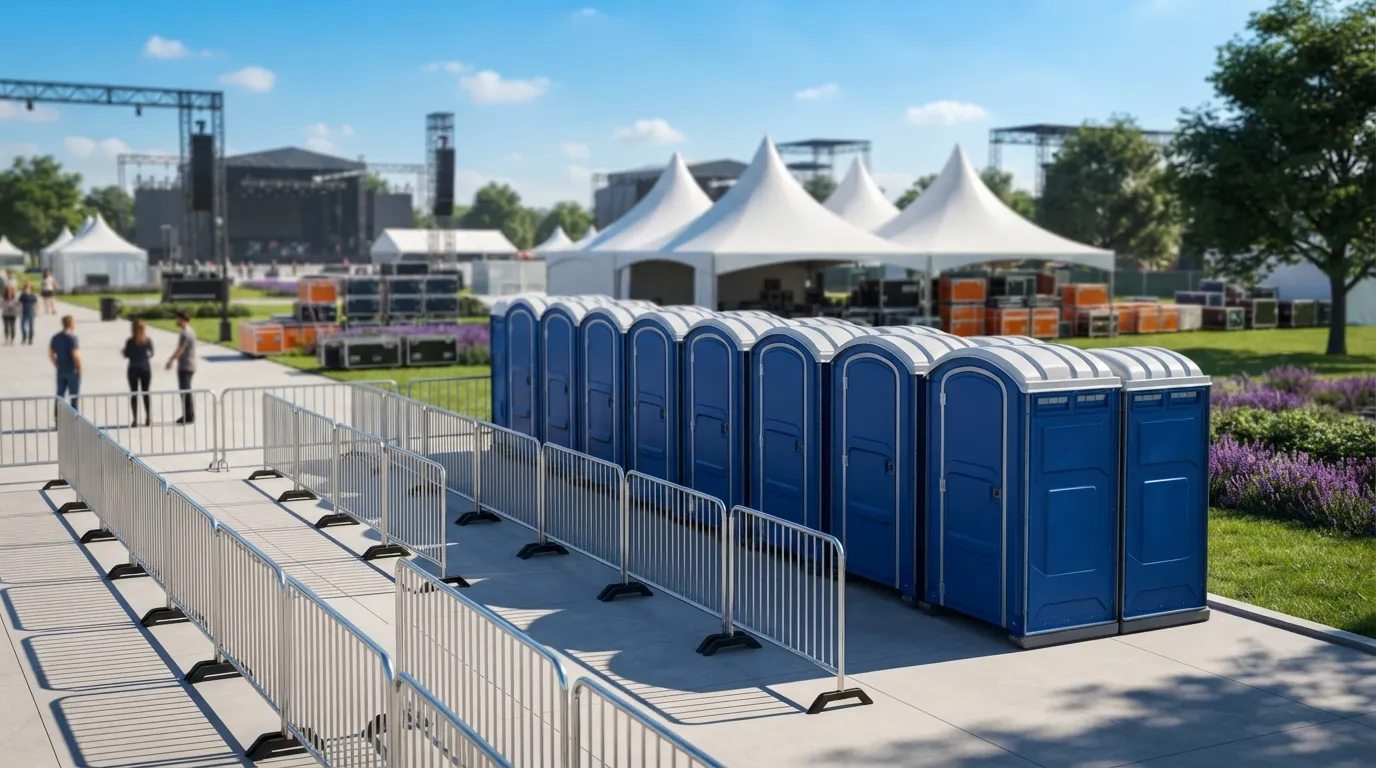
Placement rules are mostly physical, not bureaucratic, and OSHA and ADA cover a lot of ground here. A standard unit runs about 44 by 48 inches on the ground and stands roughly 92 inches tall, so it needs real clearance on uneven ground. Delivery trucks need about 60 feet of straight clearance behind them, which matters on narrow job sites or tight cul-de-sacs. Where units cluster on a jobsite, ADA Standards 213.2 requires at least 5 percent to be accessible units, never fewer than one, and any accessible unit needs a 60 inch turning circle under ADA Standards 304.3.1 and a 36 inch clear route per ADA Standards 403.5.1. Our ADA accessible porta potty page covers unit specs if you're planning a public event. For construction crews, OSHA 1926.51(c)(1) sets toilet counts by headcount, and our OSHA portable toilet requirements guide breaks that ratio down. Not sure how many units your crew needs? Start with how many porta potties do I need.
Are there separate rules for events versus construction sites?
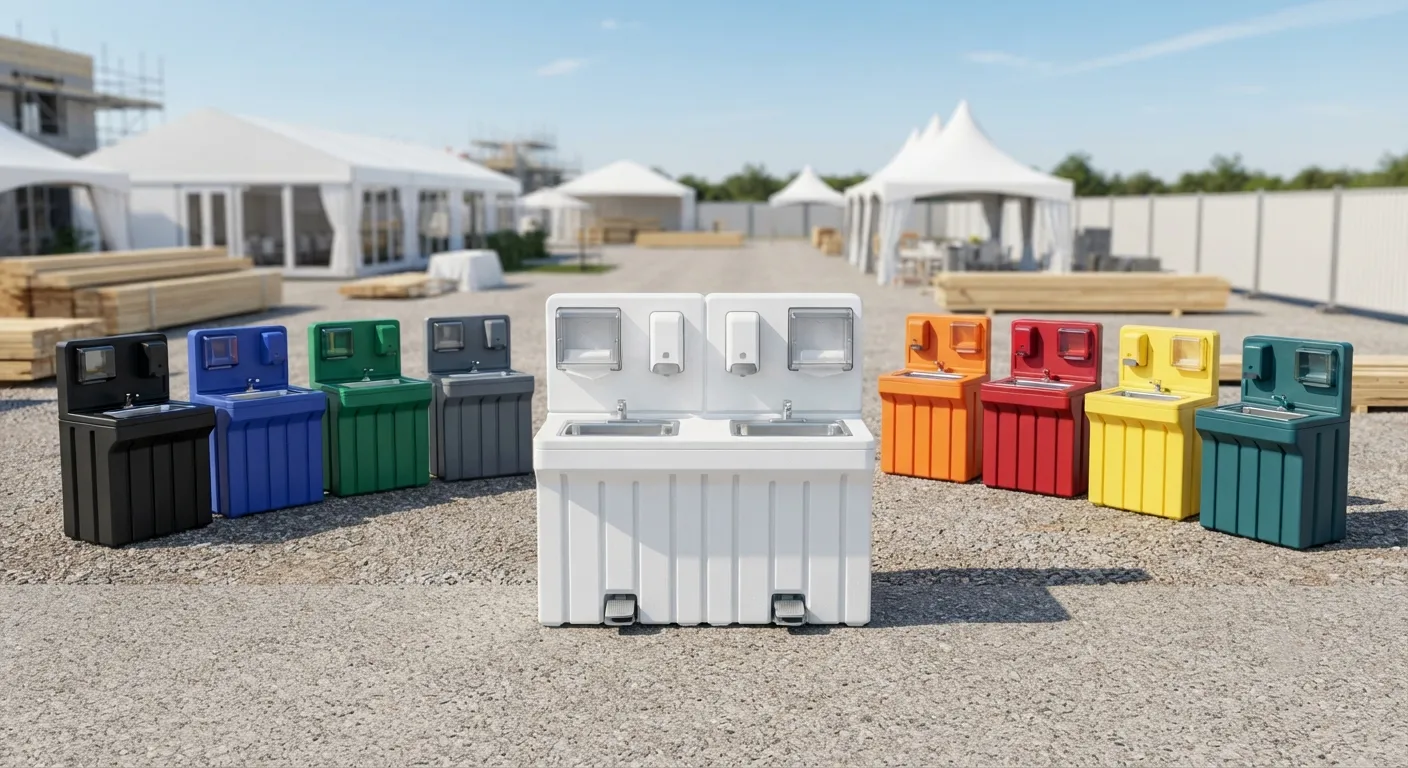
Yes, and the difference is mostly about numbers and duration, not permits themselves. A wedding, festival, or county fair needs restroom counts based on expected attendance and event length, while a job site follows OSHA's worker-based ratio instead. Farm and agricultural sites follow a different standard altogether: OSHA 1928.110 calls for field sanitation at one facility per 20 hand-labor employees, within a quarter mile walk, which matters for anyone running a farm and agricultural restroom setup outside the city, toward Clayton or Wake Forest. Handwashing has its own rule too. General handwashing on a job site falls under 29 CFR 1910.141(d)(2), which requires soap and towels or a hand-drying device, not sanitizer alone, while OSHA 1926.51(f)(1) applies specifically after work with paints, coatings, herbicides, or insecticides. See handwashing station requirements or add a handwashing station rental or portable sink rental to your order.
Pricing snapshot
| unit | day | week | month |
|---|---|---|---|
| standard | $100-$350 | $130-$500 | $125-$325 |
| ada | $200-$400 | $200-$400 | - |
| deluxe | $85-$1200 | $150-$290 | - |
Full breakdowns live on porta potty rental cost, porta potty rental per day, and monthly porta potty rental.
Do I need a permit for a porta potty on my own driveway?
No. Private property placement, like a driveway or backyard, generally doesn't require a permit from the city. The permit question only comes up once a unit needs to sit in the public right of way, such as a street or curb strip.
Does a construction dumpster on the street need a permit?
It might. Dumpsters on private lots typically don't need one, but street placement is public right of way and needs confirming with Raleigh directly. We recommend checking before delivery rather than after a citation.
How far in advance should I confirm placement with the city?
Call as soon as you know the unit needs to sit on a street or sidewalk. Right-of-way approvals take time, and construction schedules move fast. Booking with Raleigh Porta Pros early gives you room to sort permitting before delivery week.
Do ADA rules apply to a single portable toilet on a small job?
ADA Standards 213.2 applies specifically to clusters of units, requiring 5 percent accessible. A single unit on a small job may still need to meet accessible design depending on the event or contract. Ask about our ADA accessible porta potty unit.
Is a permit different for a restroom trailer than a standard porta potty?
Placement rules follow the same private-versus-public logic either way. A restroom trailer rental is larger and needs more clearance, so check restroom trailer rental cost and confirm street access with Raleigh Porta Pros before booking a 4 stall or 8 stall unit.
Next step
Get a delivery date
Tell us the address, the dates and the headcount. We size the order and confirm the route.